01
Long-Lasting
Effect
Once a follicle is successfully treated, it can no longer produce a new hair.
Permanence
An advanced precision method of permanent hair removal that treats almost every hair type across a wide range of face and body areas.
Grey, blonde, red, fine, vellus, PCOS-related, hormonal and nearly colourless hairs — including hairs remaining after laser treatment.
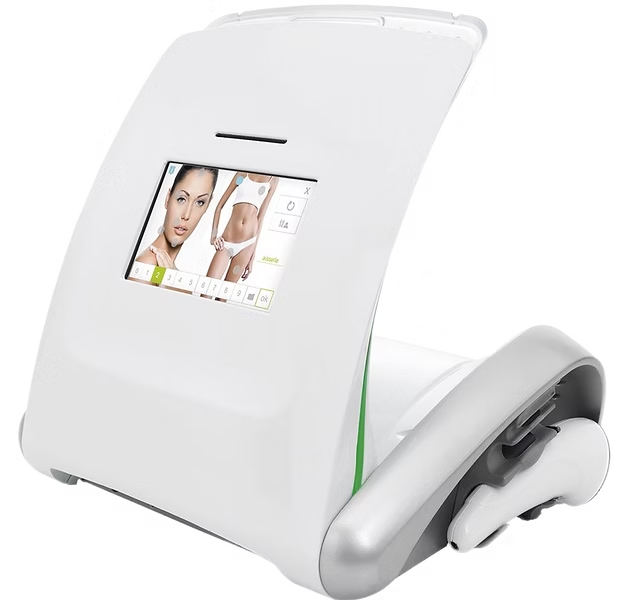 Apilus xCell Pro · Precision Instrument
At BeautyGene, we use one of the most advanced professional electrolysis systems — the Apilus xCell Pro. Its ultra-fast, highly precise impulses deliver controlled energy directly to the follicle while minimising impact on surrounding skin.
The Apilus xCell Pro operates at an ultra-fast radio frequency of 27.12 MHz. Its specialised technology keeps the energy highly concentrated within the targeted follicle.
Clear skin with sharp, defined tattoo lines is the goal of many clients with tattooed skin and unwanted hair.
Laser hair removal must not be performed directly over tattooed skin because laser energy targets pigment. Electrolysis treats each follicle without targeting pigment.
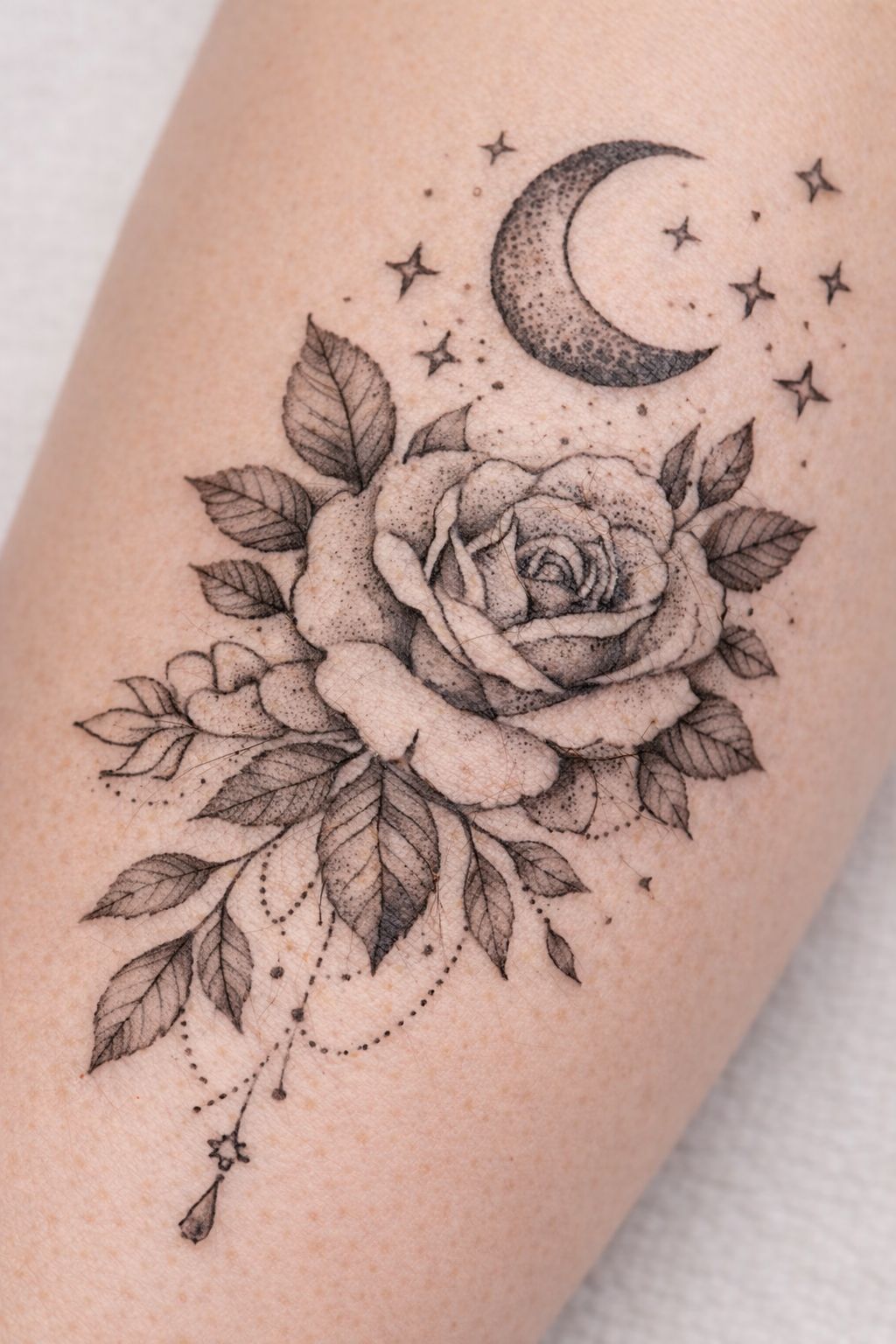
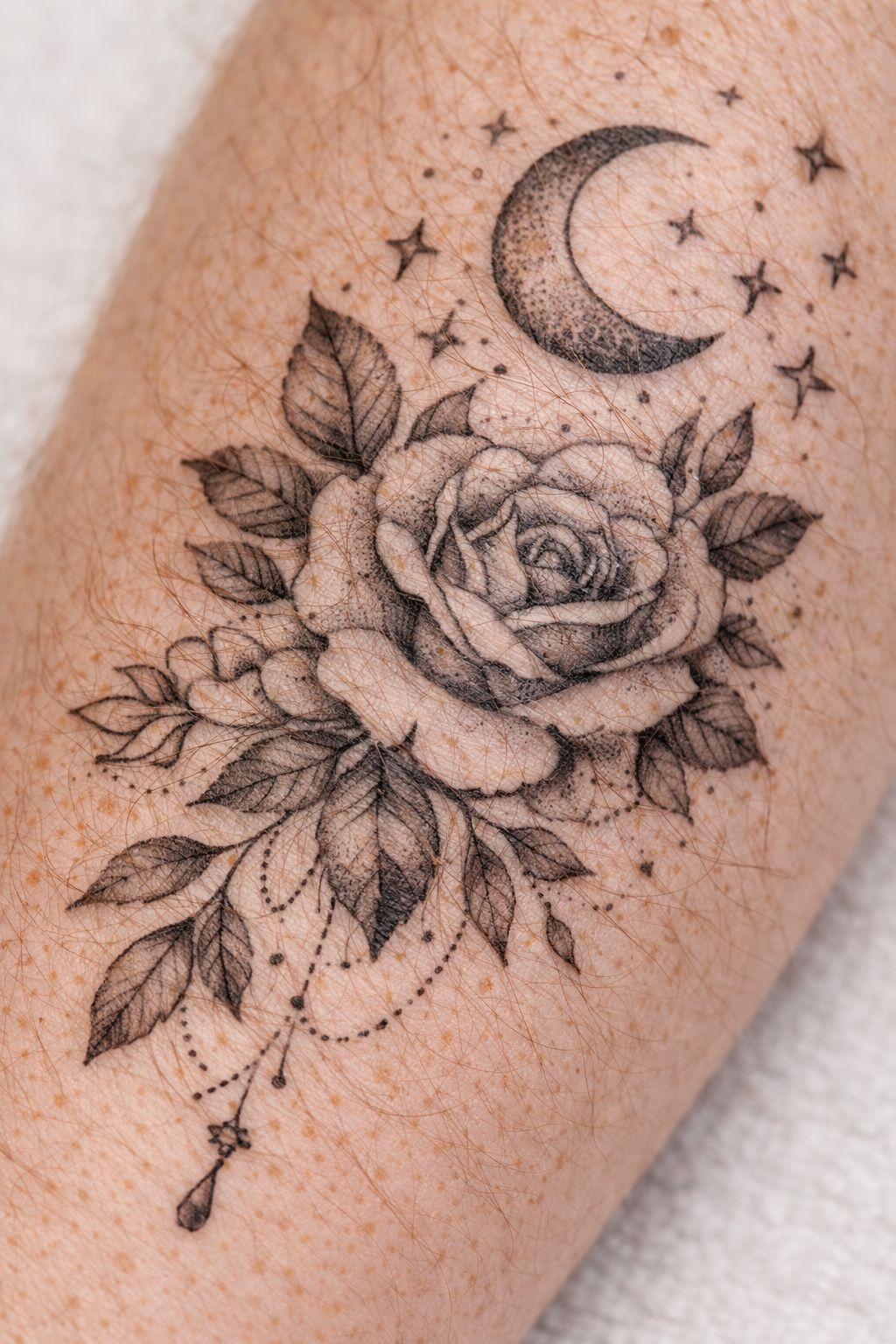
Electrolysis is a precision method of permanent hair removal working directly at the hair follicle level.
A sterile ultra-fine probe is gently inserted into the natural opening of the follicle without damaging the surrounding skin.
A controlled high-frequency current is delivered precisely to the root structure of the hair.
The energy coagulates the follicle's regenerative cells and microvascular supply responsible for future hair growth.
The treated hair is then carefully removed without pulling or trauma to the skin.
Once a follicle is successfully treated, it loses the ability to produce a new hair.
Because every follicle is treated individually, electrolysis can permanently remove all hair types — including blonde, grey, red, fine, vellus and hormonally stimulated hair that laser cannot effectively target.
At BeautyGene, the Apilus xCell Pro uses ultra-fast 27.12 MHz thermolysis technology for highly precise energy delivery with minimal impact on the surrounding skin.
Avoid shaving for at least three days before your appointment, or until the hair is at least 2 mm long. If you regularly tweeze, wax, thread or sugar the area, these methods must be discontinued well in advance. Removed hairs may take 6–8 weeks to reappear.
Well-hydrated skin helps keep follicles flexible. Drink plenty of water before your appointment and maintain regular skin hydration.
Gentle exfoliation may help remove surface debris and reduce the likelihood of ingrown hairs. Do not aggressively scrub or irritate the skin.
Avoid excessive caffeine on the day of your appointment. Avoid sunbeds, active tanning and significant sun exposure before treatment.
The treated follicular openings may remain sensitive during the first 48–72 hours.
Apply the aftercare product recommended by your specialist. Witch hazel or aloe-based products may be advised where suitable.
Avoid alcohol-based products, perfume, retinol and exfoliating acids on the treated area for several days. Apply SPF 50 when the area is exposed.
Avoid intense exercise, swimming, steam rooms and saunas for 48 hours. Excessive heat and sweating may increase irritation and introduce bacteria to recently treated follicles.
Tiny crusts may occasionally form following treatment. This can be a normal part of the healing response and they typically fall away naturally within approximately one week.
Redness often begins to settle within 30 minutes to a few hours, although individual skin responses vary. Your specialist may recommend cataphoresis or professional aftercare to help calm the area.
No. Only shaving is permitted between electrolysis sessions. Tweezing, waxing, threading, epilating or sugaring removes the root required for treatment and disrupts the natural growth cycle.
The number of sessions depends on the treatment area, hair density, hair growth cycle, hormonal factors, previous hair removal methods and appointment consistency.
A complete course is required because only visible hairs can be treated during each appointment and new hairs enter the active growth stage at different times.
Hair should be at least 2 mm long so the specialist can clearly identify the follicle and carefully remove the treated hair with tweezers.
Avoid shaving for approximately three days before the appointment, adjusting this period according to your individual growth rate.
Avoid active sun exposure on the treated area for at least one week. Apply SPF 50+ consistently and avoid tanning beds and self-tanning products during the healing period.
Six real client cases from BeautyGene Clinic. Approved images loading soon.
If this is your first visit, you will be offered a trial session which includes a full consultation, individual parameter selection, and the trial procedure itself.
During this visit, the specialist will already begin removing hair in your chosen area. After the session, professional aftercare is provided to support your comfort, safety and assessment of the skin's response.
Book Trial Session £75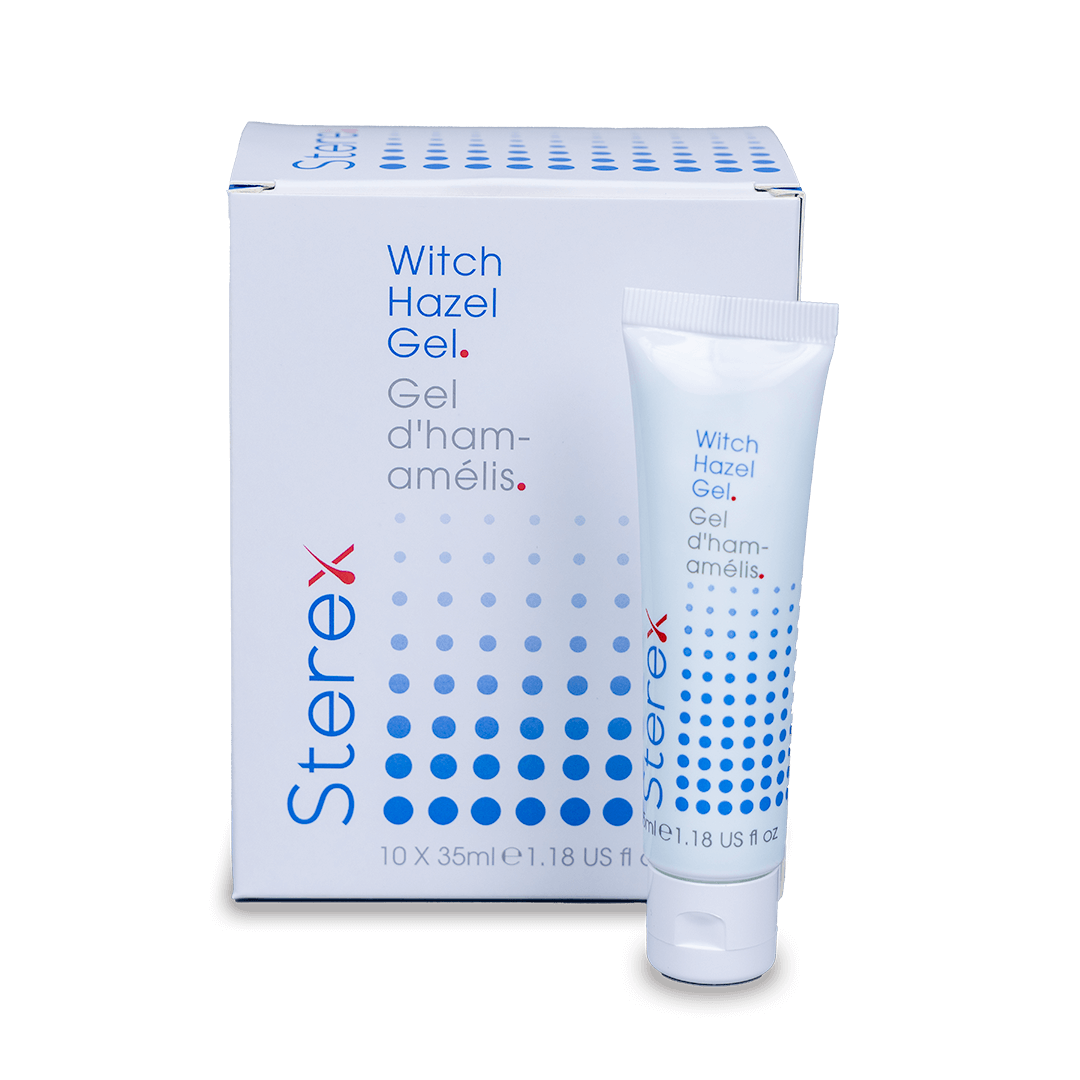

"Every hair has its own story. Electrolysis is patience translated into permanence — one follicle at a time."
Real sessions · Real results · Real expertise. Approved videos loading soon.
Our specialist also removes colourless vellus hair, often known as peach fuzz. This is meticulous precision work of increased complexity, charged at a specialist rate.
Enquire About VellusNo. You must only shave between electrolysis sessions. Waxing, threading, sugaring, epilating or plucking removes the hair root required for electrolysis treatment. Shaving leaves the root intact.
The number varies depending on the treatment area, hair density, previous hair removal methods and individual factors such as hormonal levels. A complete course involves multiple appointments across different hair-growth cycles. Your specialist will provide a personalised estimate during your consultation.
Sensation varies according to the treatment area, hair structure and individual sensitivity. The Apilus xCell Pro delivers very short, precise impulses and settings are adjusted individually. A topical anaesthetic cream may be discussed for suitable sensitive areas.
Hair should be at least 2 mm long so it can be clearly identified and carefully removed after treatment. Avoid shaving for approximately three days before your appointment, depending on your individual growth rate.
Electrolysis is suitable for all skin tones, including tanned skin. However, inform your specialist about recent sun exposure because recently tanned or sun-sensitive skin may respond differently. An individual assessment is required.
A follicle that has been successfully treated loses its ability to produce a new hair. Multiple appointments are required because individual hairs grow at different times and each visible follicle must be treated separately.
Yes. Unlike laser, electrolysis does not depend on hair pigment. It can treat grey, white, blonde, red, fine, vellus and nearly colourless hair, including hairs that laser cannot effectively target.
Yes. Electrolysis treats the individual follicle without targeting pigment, making it suitable for permanent hair removal directly over tattooed skin. Laser hair removal must not be performed directly over tattoo pigment.
Book a consultation or start with a £75 trial session. Our specialist will assess your needs and create a personalised treatment plan.