- +442079981380
- info@beautygene.clinic
- Tue - Sun: 10:00 - 20:00


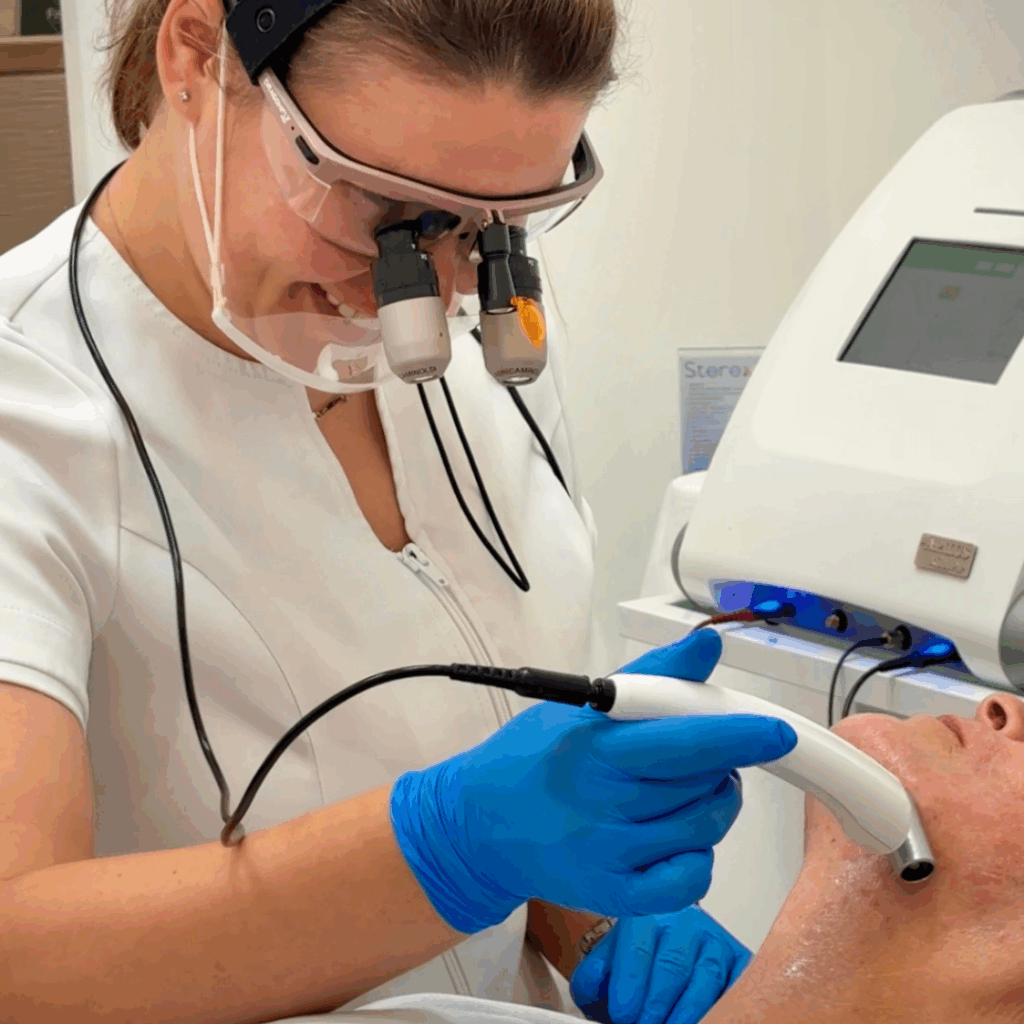
After a course of treatments, you can forget about regular hair removal
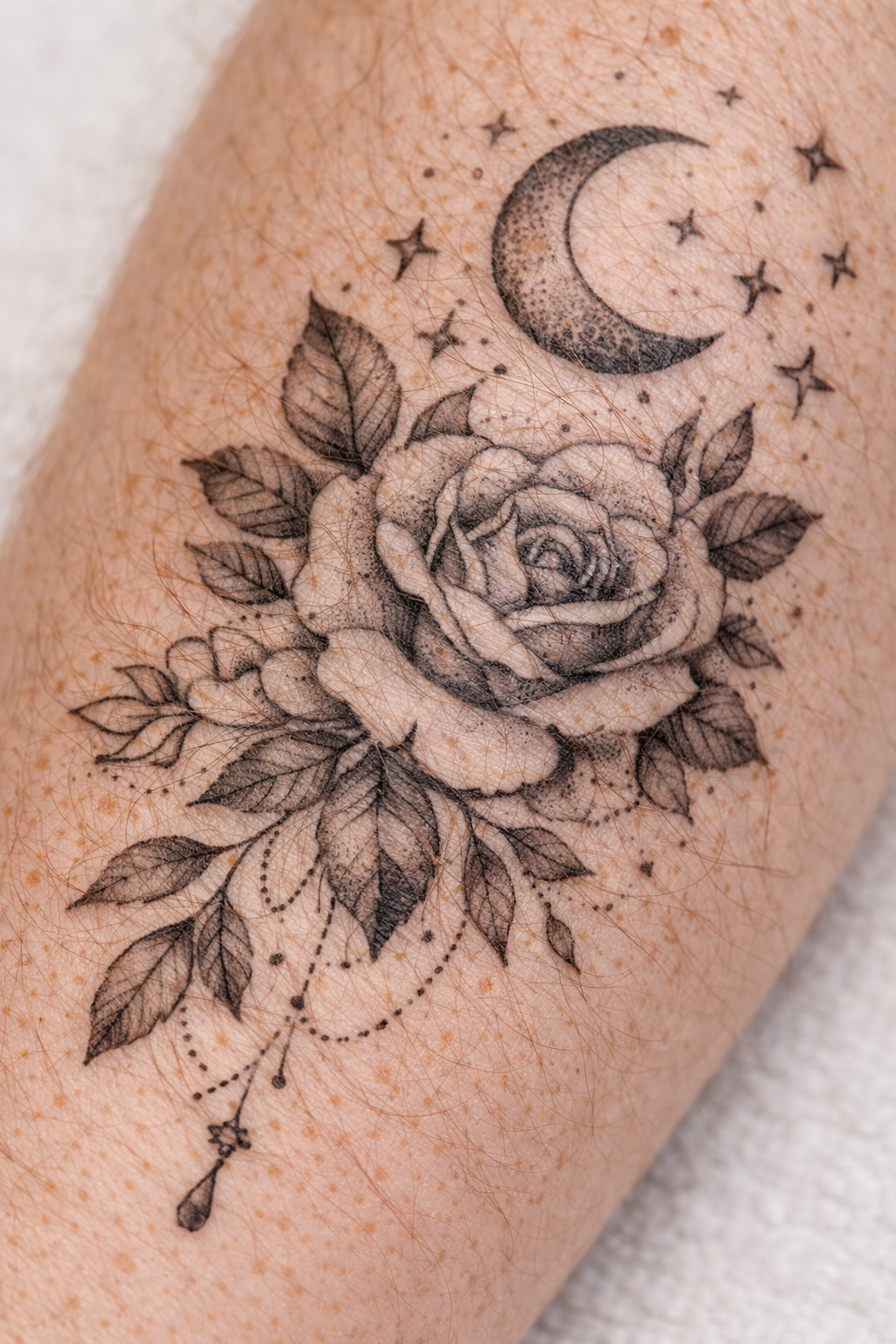
The only permanent hair removal method that is safe for tattoos and doesn’t require covering.
Removes all types of hair from any area, including gray, light, fine, and even red hair—nothing is impossible for electrolysis.
Versatility: Suitable for all skin types, including tanned skin.
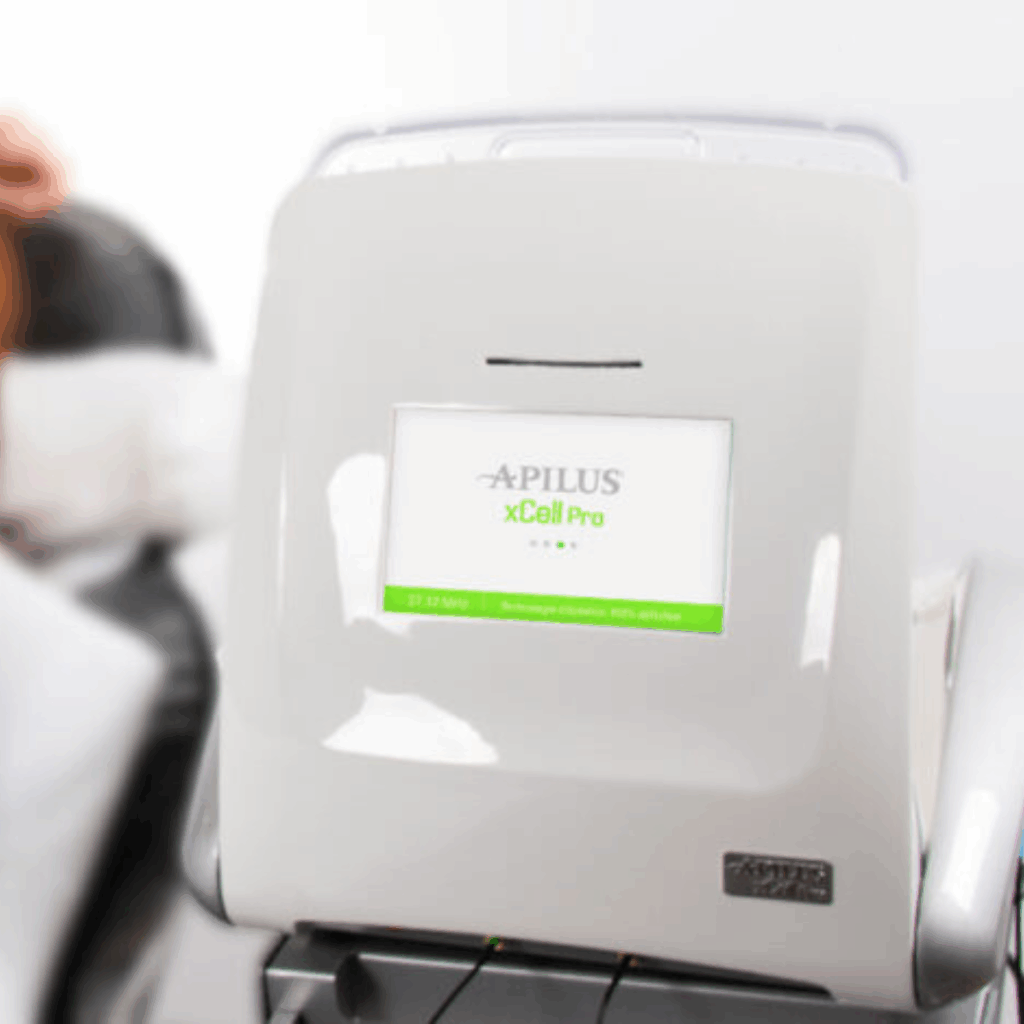
Safety: This hair removal method is FDA-approved and tested. Procedures are conducted using sterile tools and high-quality equipment.
Precision: The method allows for high precision in hair removal, which is especially important for sensitive areas.
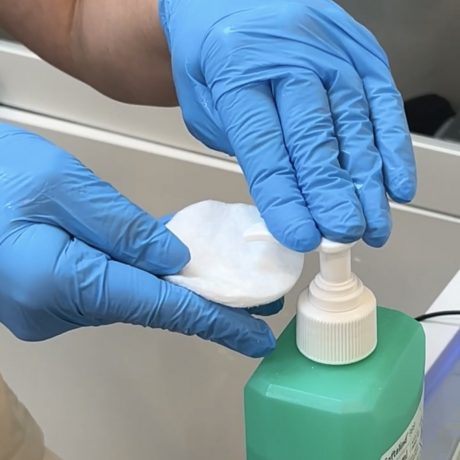
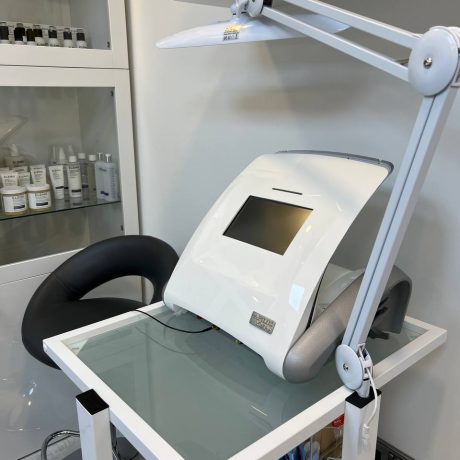
Preparation: Before the procedure, the skin is cleansed and treated with an antiseptic.
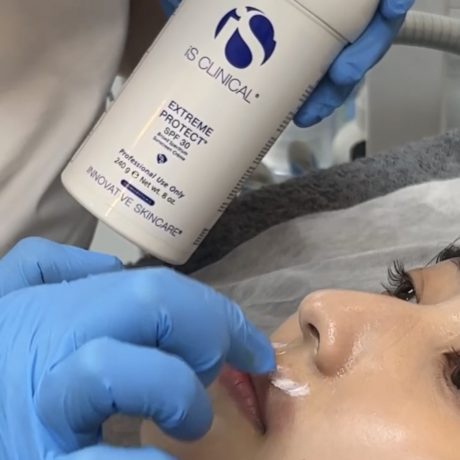
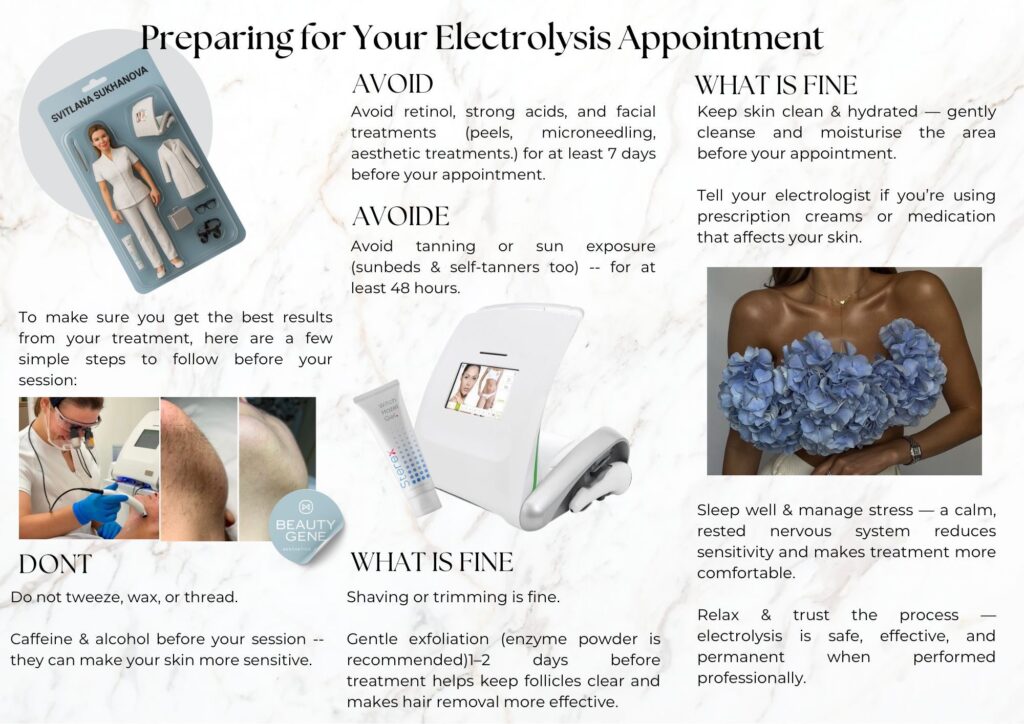

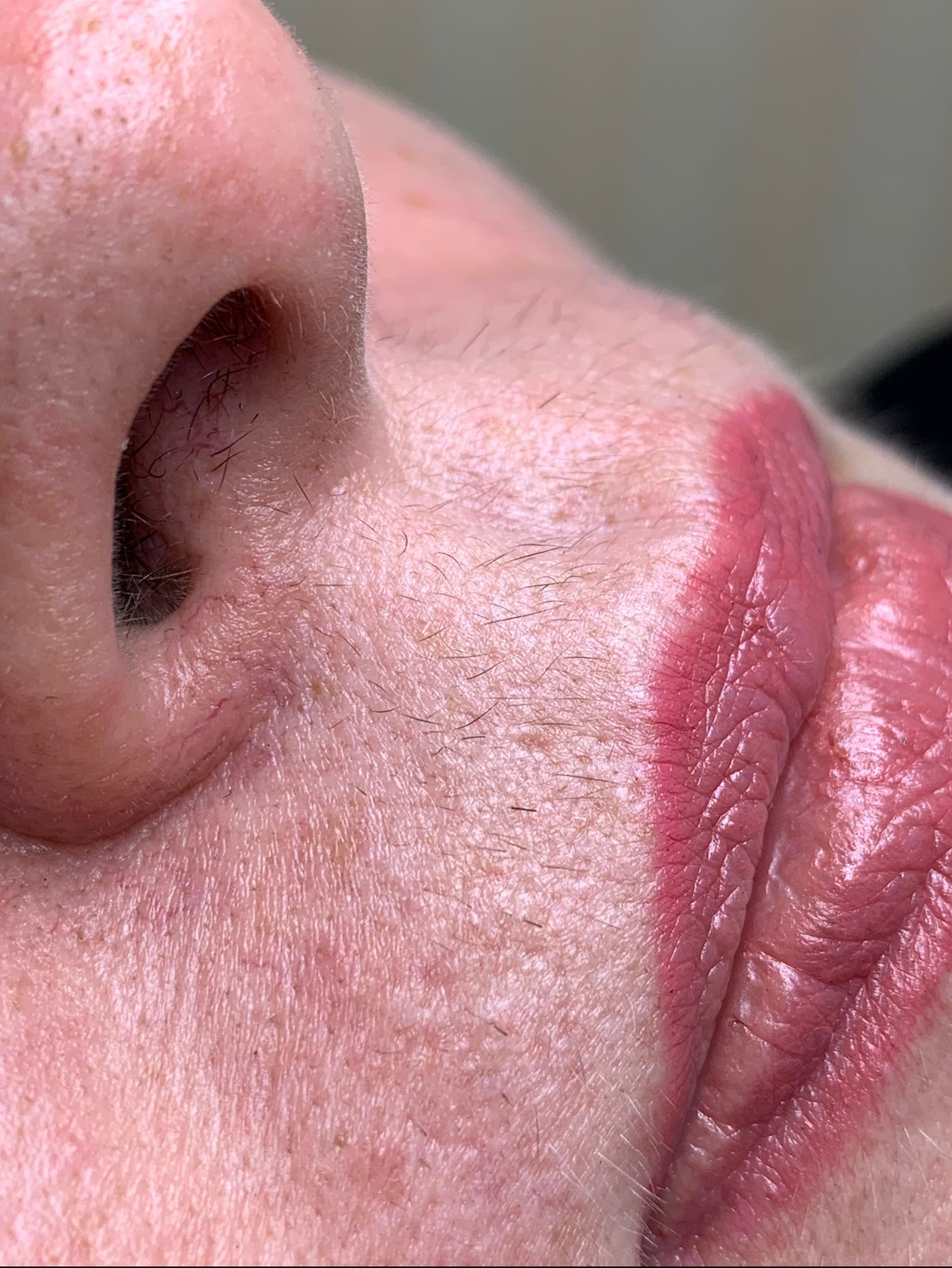
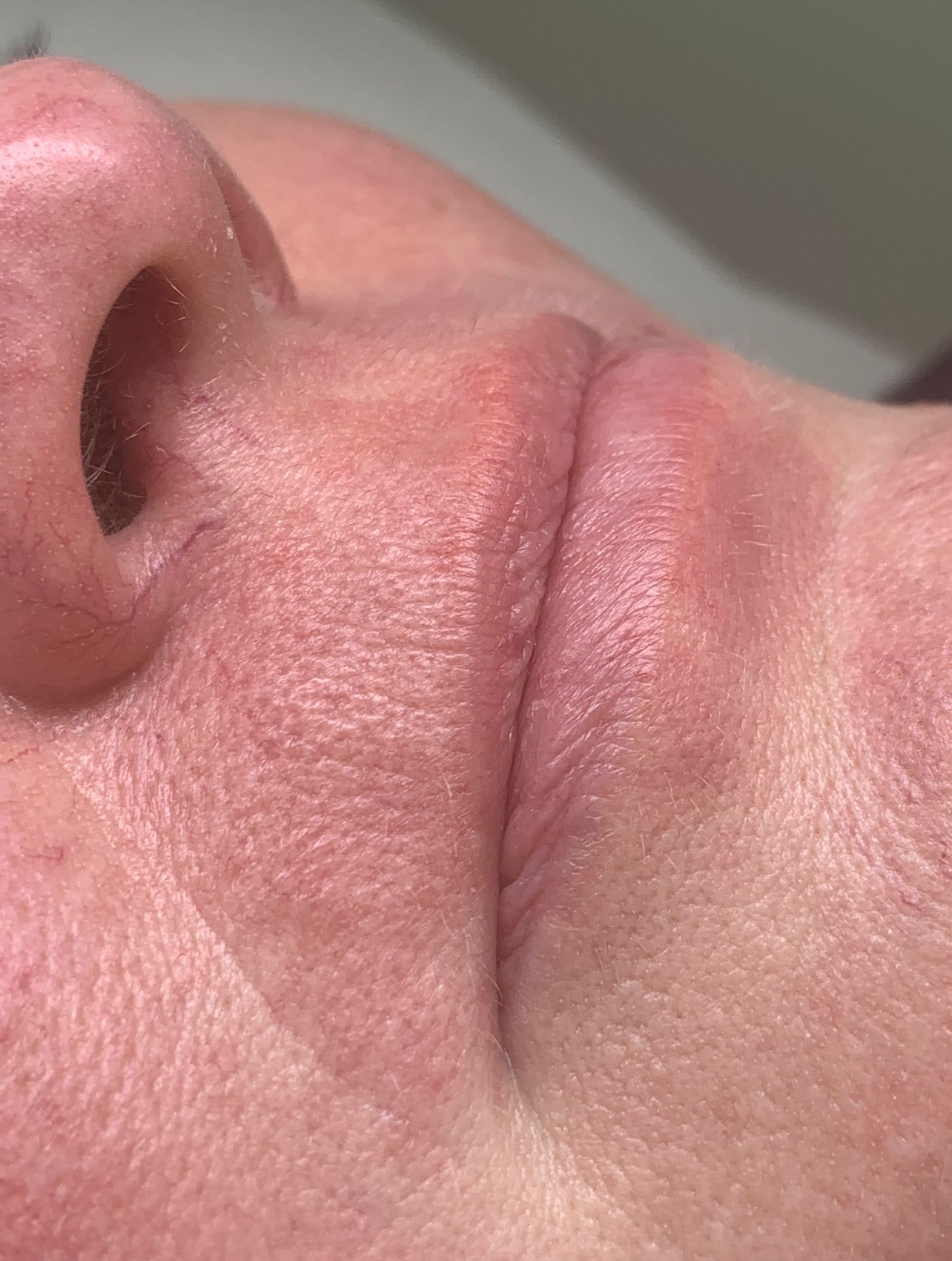
Before Your Treatment
Let the Hair Grow
For effective treatment, the hair must be visible. Avoid shaving for at least 3 days before your electrolysis session.
If you regularly tweeze, wax, thread, or use depilatory creams, the treated hair may not reappear for 6–8 weeks, so these methods must be discontinued well in advance.
Moisturize
Well-hydrated skin helps keep hair follicles flexible and hydrated, making the treatment more efficient and comfortable.
Stay Hydrated
Drinking plenty of water before your session helps plump the skin cells, allowing for smoother insertions. Proper hydration also improves the distribution of the electrical current, making the procedure more effective and less uncomfortable.
Gentle Exfoliation (with enzyme powder)
Regular gentle exfoliation helps prevent ingrown hairs and removes debris that may clog follicles, allowing for more precise and comfortable treatment.
Limit Caffeine Intake
Avoid caffeine on the day of your appointment. Caffeine can dehydrate the skin and increase sensitivity, which may make the treatment more uncomfortable.
Minimize Sun Exposure
Avoid excessive sun exposure and tanning beds before your session. Electrolysis should not be performed on sunburned or overly tanned skin, as this increases sensitivity and the risk of irritation.
After electrolysis, hair follicles remain open for 2–3 days, making proper aftercare essential for healing and optimal results.
✓ Avoid touching the treated area for 48 hours
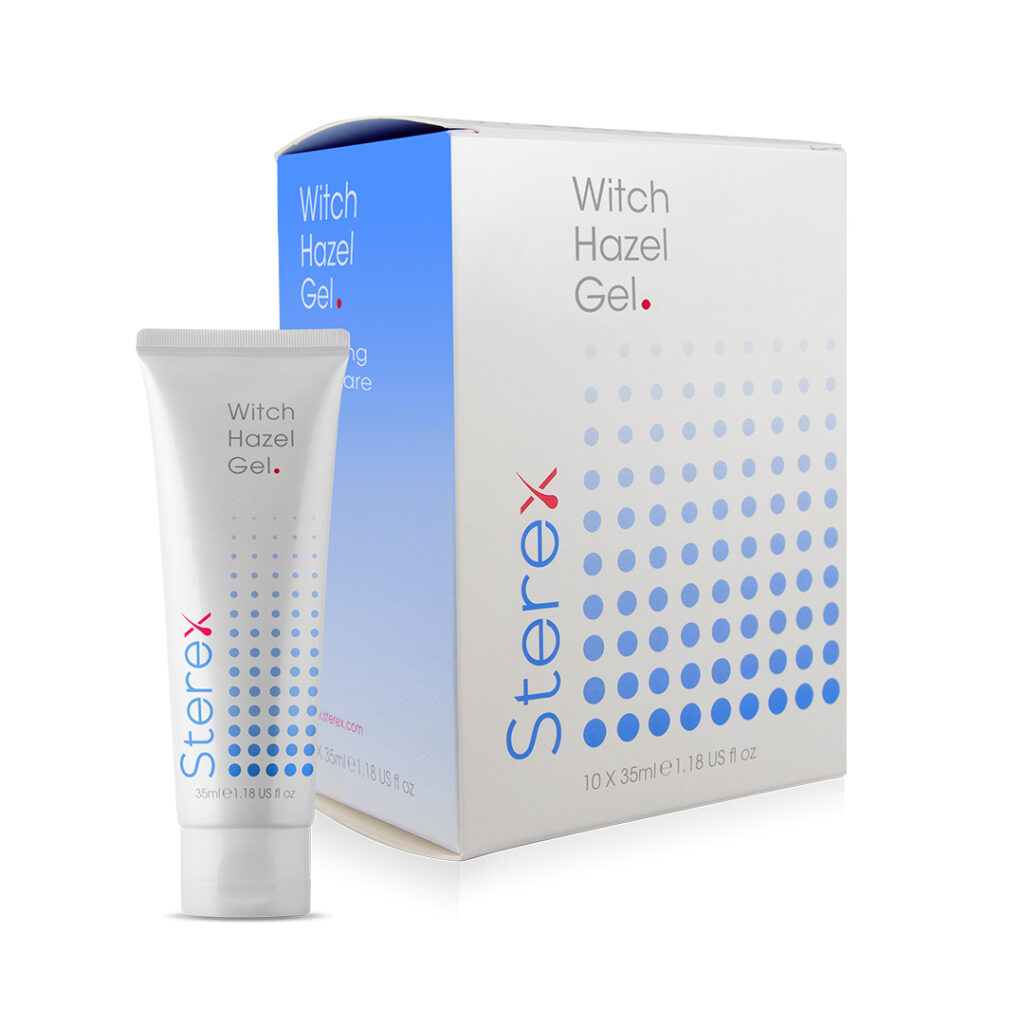
✓ Avoid makeup on the treated area for 48 hours. If makeup must be worn, apply witch hazel gel beforehand
✓ Avoid exercise, swimming, sunbathing, tanning beds, saunas, or steam baths for 48 hours before and 48 hours aftertreatment
✓ Avoid any beauty treatments on the treated area for 7 days
✓ Avoid tight clothing (especially in the bikini area) to prevent friction and irritation
✓ If crusts form, do not pick them to avoid pigmentation — allow them to fall off naturally
✓ If a white pimple appears, do not squeeze it. Clean the area with a non-alcoholic antibacterial cleanser and apply witch hazel gel
Apply witch hazel gel 2–3 times a day for 3 days.
If scabs appear, continue applying the gel until they fall off naturally.
Additional Aftercare Guidelines
Moisturize
Apply a mild astringent such as witch hazel or aloe vera to soothe the skin and support healing.
Sunlight
Gentle, low-intensity sun exposure (especially near-infrared light) in the early morning before 11 a.m. or evening from 4–5 p.m. may support skin recovery.
Avoid strong sun exposure between 11 a.m. and 4–5 p.m. Always check the UV index.
Avoid Touching
Do not touch, scratch, or pick the treated area unless your hands are freshly washed, to prevent irritation or infection.
Avoid Harsh Skincare Products
For several days after treatment, avoid products containing alcohol, perfumes, retinol, acids, or harsh exfoliants. Gritty exfoliants can allow particles to enter open follicles and cause irritation.
Avoid Makeup
If the treated area is on the face, avoid applying makeup for 48 hours.
Limit Sun Exposure
Avoid direct sun exposure for several days after treatment and always use SPF 50 when outdoors.
Avoid Excessive Heat & Sweating
Refrain from activities that cause heavy sweating, such as intense exercise, swimming, or sauna use, as sweat can introduce bacteria into open follicles.
Yes, this is a normal skin reaction.
When hair is thick, dense, dark, or afro-textured, the specialist may use higher settings to effectively destroy the follicle and ensure visible results without turning electrolysis into an endless process.
Scabs usually fall off on their own within one week. Proper care is essential:
✔️ Apply after-care gel 4 times a day
✔️ Do not pick or remove scabs manually
Redness usually subsides within 30 minutes and is a normal skin response. Mild swelling or bumpiness can also occur, especially in sensitive skin.
To reduce redness more quickly, the specialist may recommend cataphoresis after the main session.
Additionally, using after-care gel 3 times a day for 5 days helps soothe and hydrate the skin.
The gel can be purchased at the clinic.
No. During an electrolysis course, using tweezers, wax, or sugaring is not allowed, as these methods interfere with the effectiveness of the treatment.
Why?
1. Hair Is Removed with the Root
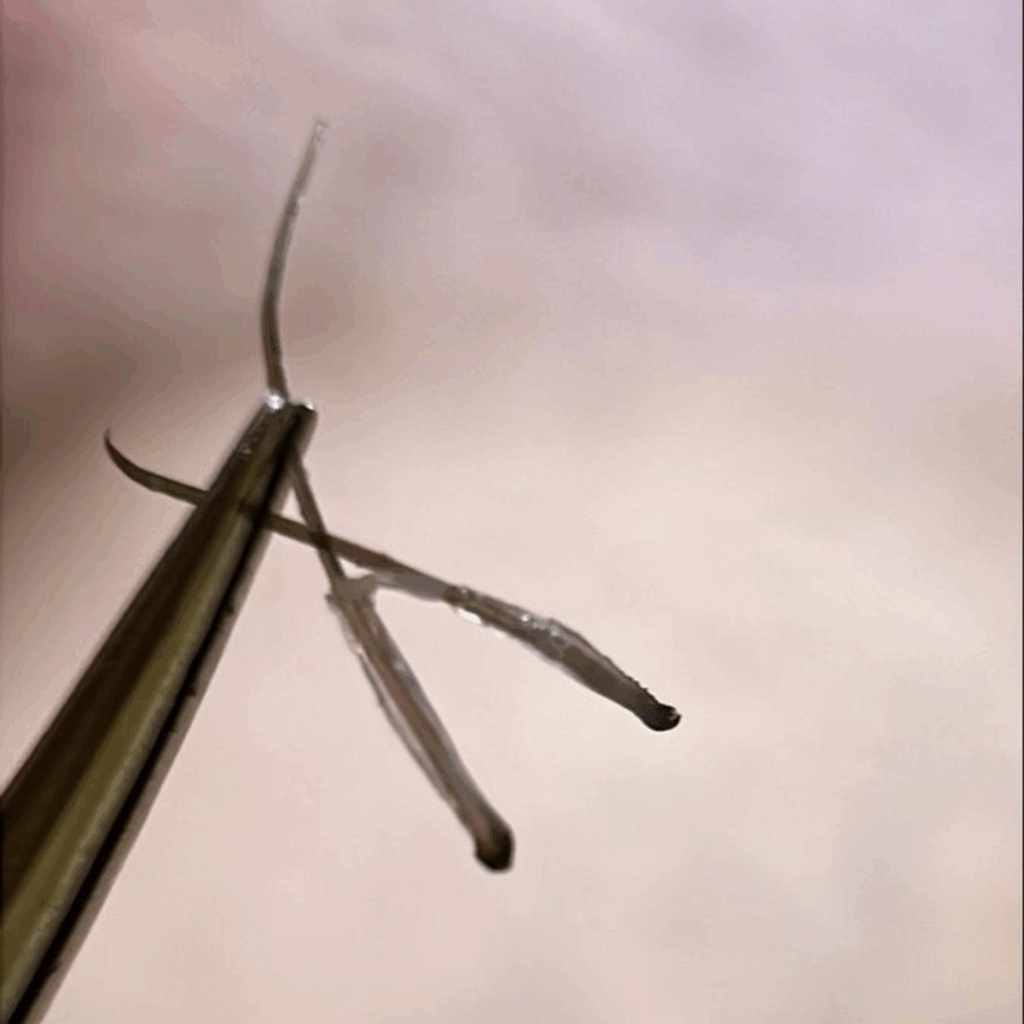
Electrolysis works by inserting a probe into the follicle and destroying the growth cells with electrical current.
If you remove hair by:
the follicle becomes temporarily empty, and the specialist cannot treat that hair.
2. Disruption of the Hair Growth Cycle
Electrolysis is only effective during the active growth phase (anagen).
Tweezing and waxing disrupt the natural growth cycle, causing irregular regrowth and requiring more sessions overall.
3. Hair May Grow Thinner and Deeper
After repeated plucking, follicles can become distorted, causing hair to grow deeper or at an angle.
This makes probe insertion more difficult and increases the risk of skin irritation.
Shaving is allowed between sessions, as it does not affect the follicle.
The number of sessions is individual and depends on:
A full course is required to treat all hairs during their active growth phase.
If this is your first visit, a trial session is recommended. Every new client goes through this step. A detailed description of the trial session is available on our website in the “Electrolysis” section.
During the procedure:
The specialist opens a single-use sterile probe in front of the client
The probe-electrode is individual and disposable and is discarded after the session
Typically 1–3 probes are used per session, especially when treating multiple areas
A sterile tweezer is opened from a kraft pouch in front of the client. All instruments undergo full sterilization (disinfection, pre-sterilization cleaning, and sterilization)
The specialist assesses the hair structure and skin condition and selects individual device settings
The session duration varies depending on the treatment area, hair volume, and client comfort
If necessary, a topical anesthetic cream may be provided for the next session.
We prioritize safety, skin health, and client comfort. Our goal is not only visible results, but also maintaining healthy skin throughout the entire course of treatment.
What Hair Length Is Required?
For electrolysis, hair should be at least 2 mm long.
This minimum length allows the specialist to see the follicle opening and gently remove the treated hair with tweezers after treatment.
We recommend avoiding active sun exposure for at least one week after treatment and using SPF 50 or higher sunscreen consistently.